Best Budget Tech Under $50: Amazon Finds Worth the Space
This post contains affiliate links. If you purchase through them we may earn a small commission at no extra cost to you. Read our full disclosure here.

Best budget tech under 50 that actually belongs in a minimal home is a shorter list than most people expect.
The internet is full of budget tech roundups. Most recommend anything with a high rating and a low price without asking the more important question — does this earn a permanent place or does it end up in a drawer within a month?
This list asks that question for every item. Ten picks that cost under $50, deliver genuine daily value, and fit a home where everything present has earned its right to be there.
Nothing on this list was included because it is popular. Everything on this list was included because it works.
Why Budget Tech is Worth Taking Seriously
There is a common assumption that affordable tech means compromised tech. In some categories that is true — a $15 wireless charger is not going to match a $45 one for build quality or charging speed.
But in other categories the price difference between budget and premium reflects brand markup more than genuine performance difference. A $12 cable management solution does the same job as a $40 one. A $20 smart plug controls a lamp just as effectively as a $35 one.
Knowing which categories reward the premium spend and which do not is the difference between a well considered budget and money spent on packaging.
The ten picks below all fall into the category where the budget option genuinely earns its place.
The 10 Best Budget Tech Picks Under $50
1. Smart Plug — $8 to $12 Each
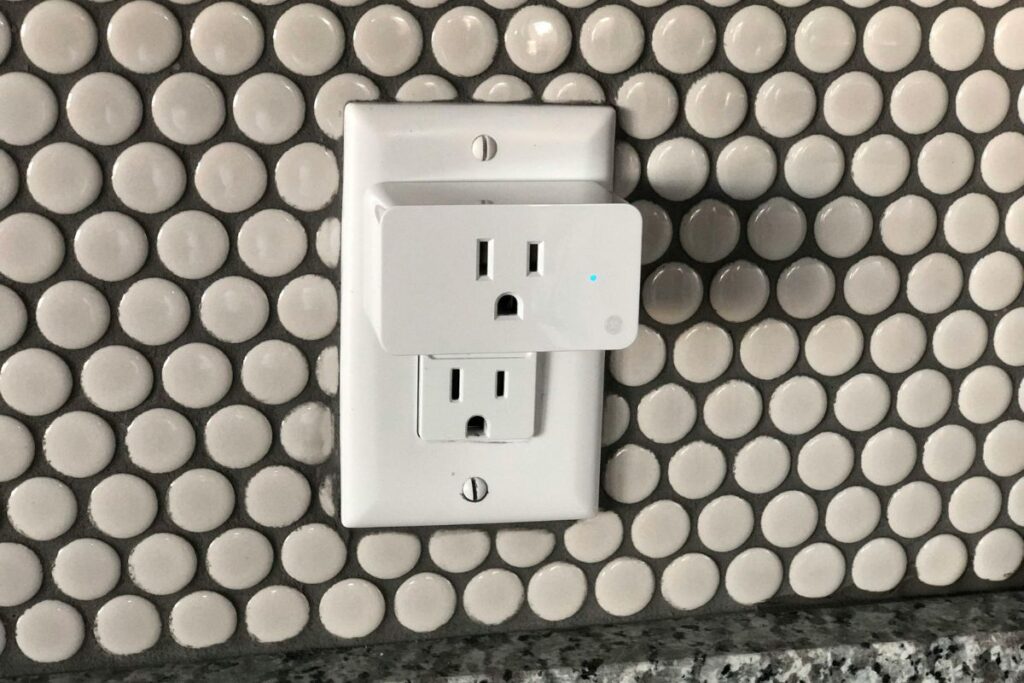
The highest value to cost ratio of any smart home purchase available.
A single smart plug costs under $12 and immediately makes any device in your home voice controlled, app controlled, and schedulable. Lamps, fans, coffee makers, humidifiers — anything that plugs into a wall becomes a smart device without replacing it.
The four pack versions bring the per unit cost down further and cover the four devices you use most in a single purchase.
We covered smart plugs in detail in our Amazon tech finds guide.
Why it earns its place: Immediate daily value, works reliably, makes everything else smarter
2. Reusable Cable Ties — $6 to $12 for a Pack of 20
The least glamorous item on this list and one of the most consistently useful.
Reusable velcro cable ties cost almost nothing and eliminate the cable tangle problem behind every television, under every desk, and inside every drawer where cables accumulate. Unlike zip ties they can be undone and reused indefinitely — one pack covers the entire home and lasts for years.
The minimal home principle applies here clearly — visible cable chaos demands attention every time it is seen. Ties that cost 30 cents each remove that demand permanently.
Why it earns its place: Solves a persistent visual problem for almost no money.
3. USB-C Multi Port Charging Hub — $20 to $35
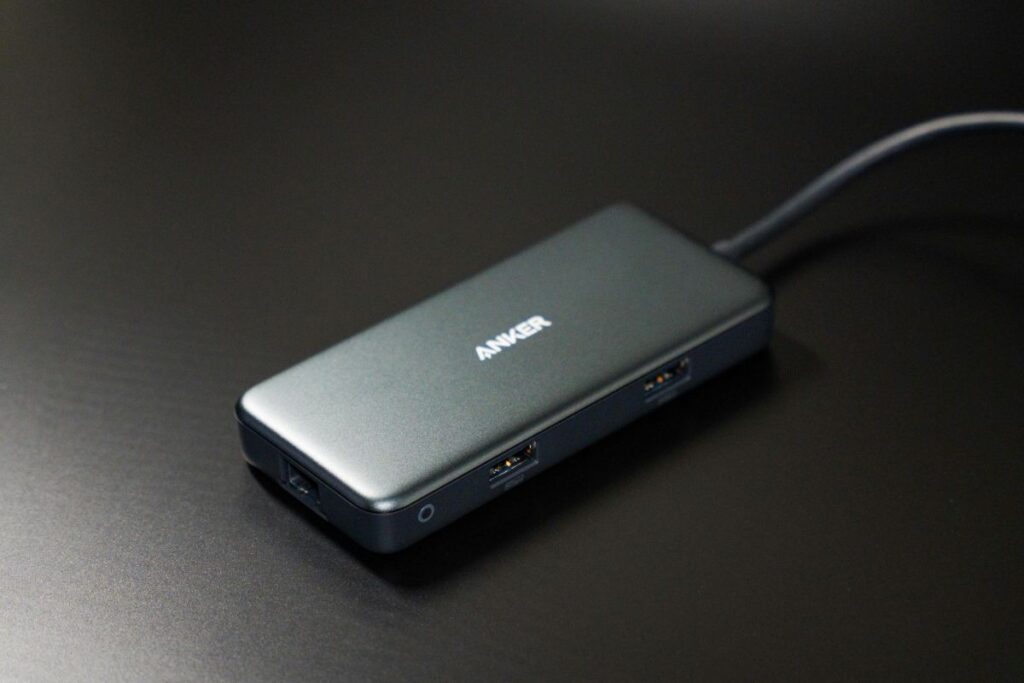
One cable into the wall. Four or more devices charging simultaneously. No adapter hunting, no multiple wall sockets occupied, no cable sprawl across the bedside table or desk surface.
A quality multi port USB-C charging hub with a flat profile sits neatly on any surface and handles every device that needs daily charging — phone, earbuds, smartwatch, tablet — from a single power socket with a single cable running to it.
Look for one with at least one USB-C Power Delivery port for fast charging compatibility and a flat design that does not add visual bulk.
Why it earns its place: Reduces charging cables and wall sockets used to a single point.
4. Magnetic Phone Mount — $10 to $20
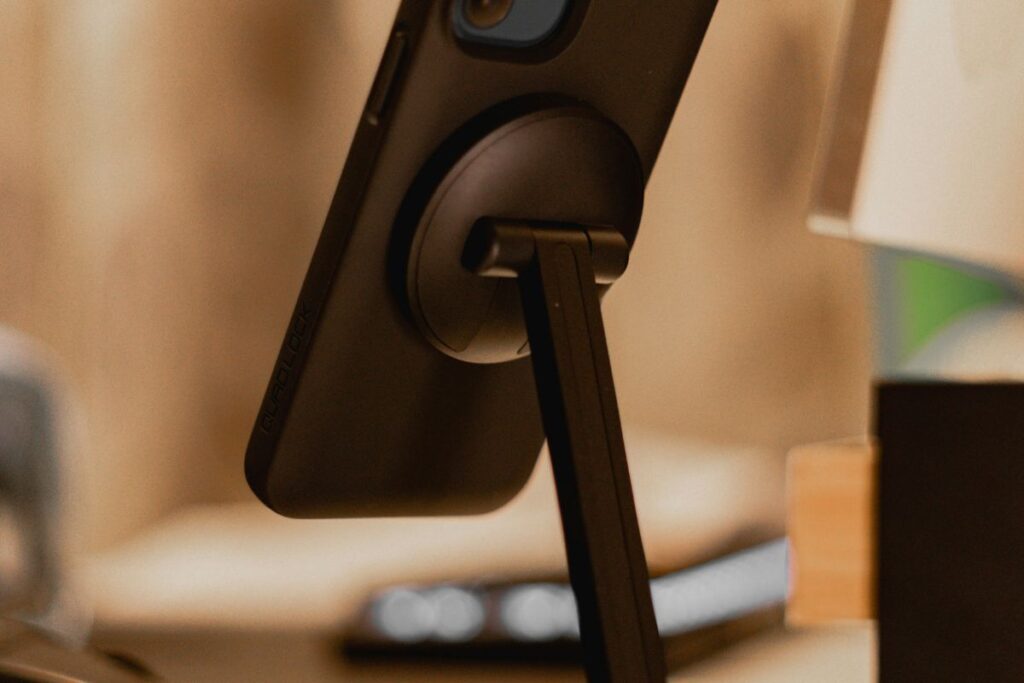
A phone that lies flat on a desk is a phone that interrupts work every time a notification lights the screen. A phone on a magnetic mount at the edge of the desk is visible enough to check intentionally and distant enough to ignore when focus matters.
The best magnetic mounts use MagSafe compatible magnets for iPhone users — a satisfying snap to a perfectly positioned mount that holds securely and releases instantly. Android versions use a thin metal plate that attaches to the phone case and provides the same magnetic connection.
Desk mounts, monitor mounts, and car mounts all use the same magnetic system — one phone and multiple mounts positioned wherever the phone is used most.
Why it earns its place: Changes the relationship between phone and desk meaningfully.
5. Portable Bluetooth Tracker — $25 to $35
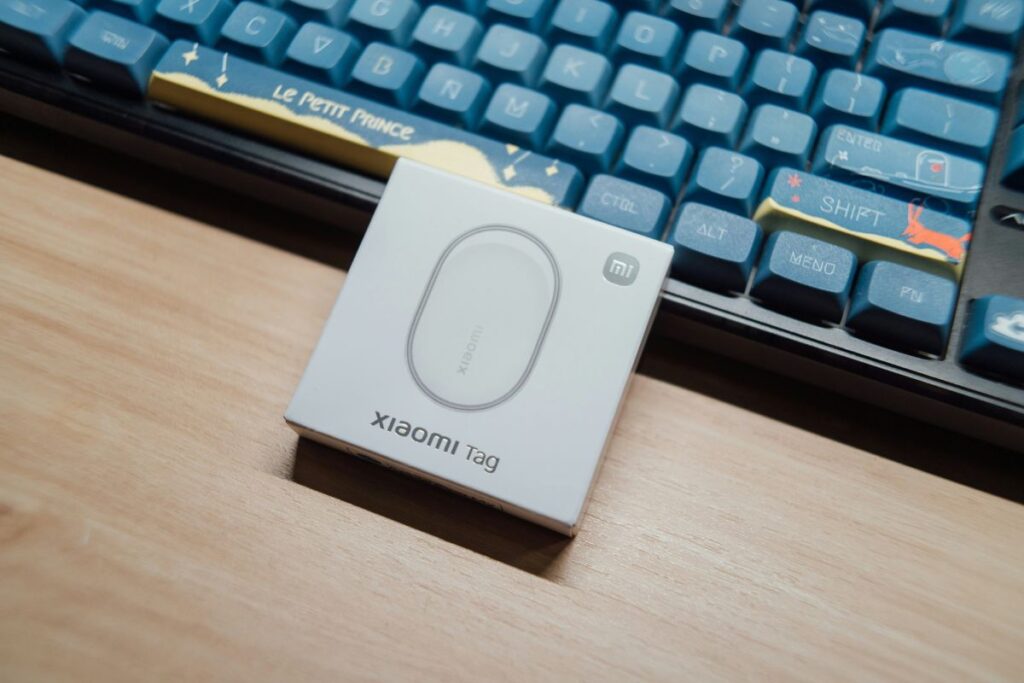
The device that earns its place most dramatically the first time it prevents a genuinely stressful situation.
A small Bluetooth tracker attached to keys, a bag, a wallet, or anything frequently misplaced connects to a smartphone app and shows its last known location. When within Bluetooth range the tracker plays a sound from the app. When out of range the network of other users with the same app updates the location anonymously.
The cognitive load of knowing where important items are at all times — without thinking about it — is disproportionate to the small size and low cost of the device doing the work.
Why it earns its place: Removes a recurring source of stress and wasted time permanently
6. LED Desk Light Strip — $15 to $30
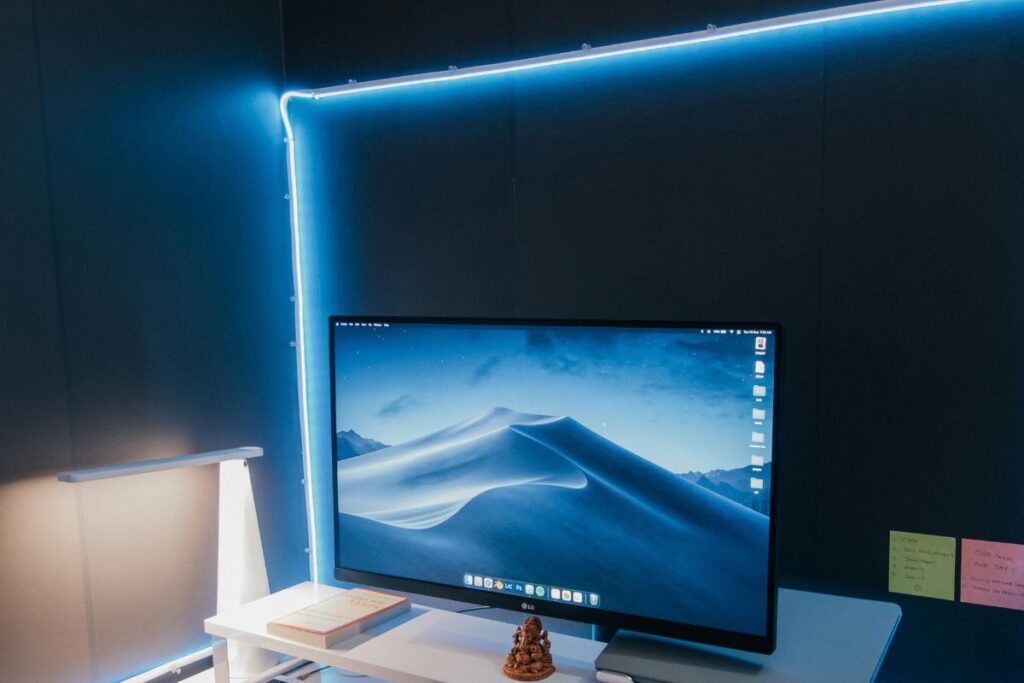
Bias lighting behind a monitor — an LED strip attached to the rear of a screen — reduces eye strain during long work sessions by reducing the contrast between a bright screen and a dark background.
The effect is subtle and the science is straightforward — eyes work harder when adjusting between a very bright focal point and a dark surround. Bias lighting reduces that contrast and reduces the fatigue that comes with it.
Beyond the functional benefit a well chosen LED strip adds a clean ambient glow to a desk setup that photographs well and looks considerably more considered than bare walls behind a screen.
Why it earns its place: Reduces eye strain during long sessions and improves desk aesthetics simultaneously
7. Foldable Phone Stand — $10 to $18
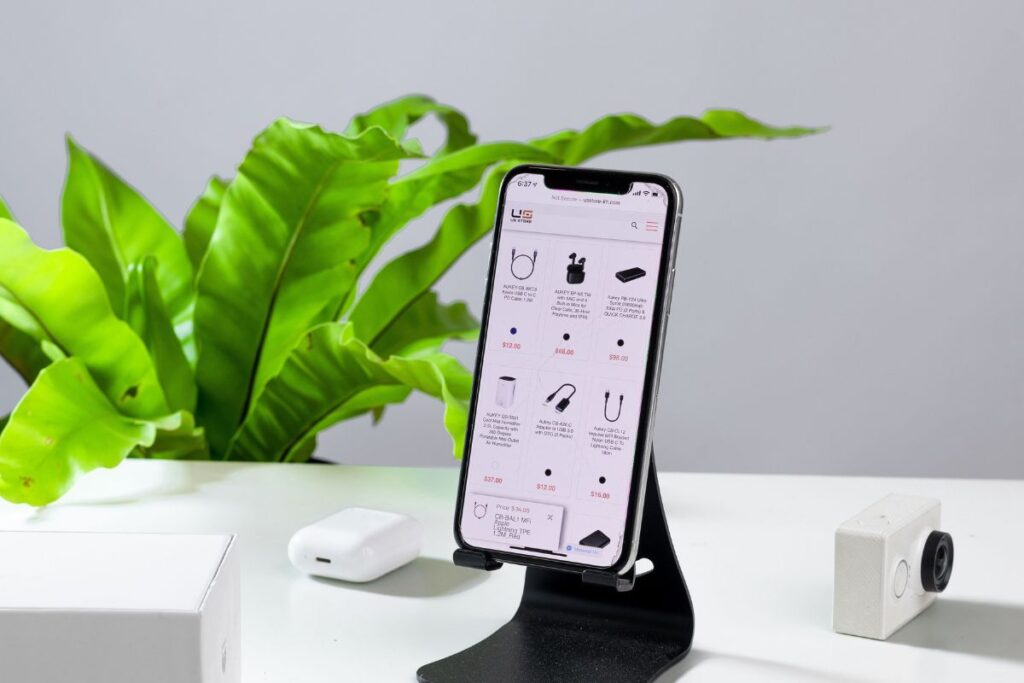
A phone lying flat on a desk is harder to glance at, harder to use for video calls, and takes up more surface area than a phone propped at a comfortable viewing angle.
A foldable aluminium phone stand raises the phone to eye level, folds completely flat for travel or storage, and costs under $20. It does one specific thing extremely well and takes up almost no space doing it.
For anyone who uses their phone for video calls at a desk this is not optional — it is the difference between a camera pointing at your ceiling and a camera pointing at your face.
Why it earns its place: Immediately improves desk phone usability for under $15
8. Smart Power Strip — $25 to $45
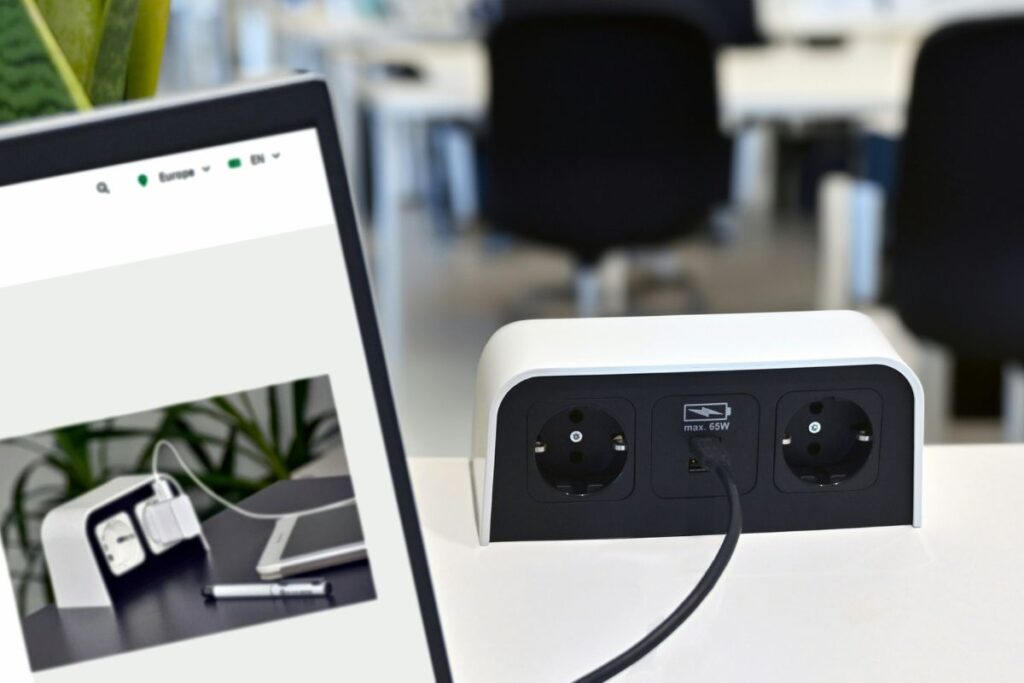
A smart power strip combines the cable management benefit of a regular power strip with the voice control and scheduling capability of individual smart plugs — in a single device.
Individual outlets can be controlled independently through an app or voice commands — turning the monitor off while leaving the desk lamp on, cutting power to entertainment devices on a schedule, monitoring energy usage per outlet.
For a desk setup or entertainment centre with multiple devices a smart power strip is more elegant than individual smart plugs on every device and often less expensive than buying several smart plugs separately.
Why it earns its place: Replaces both power strip and individual smart plugs in one cleaner solution
9. Portable Mini Projector — $45 to $50
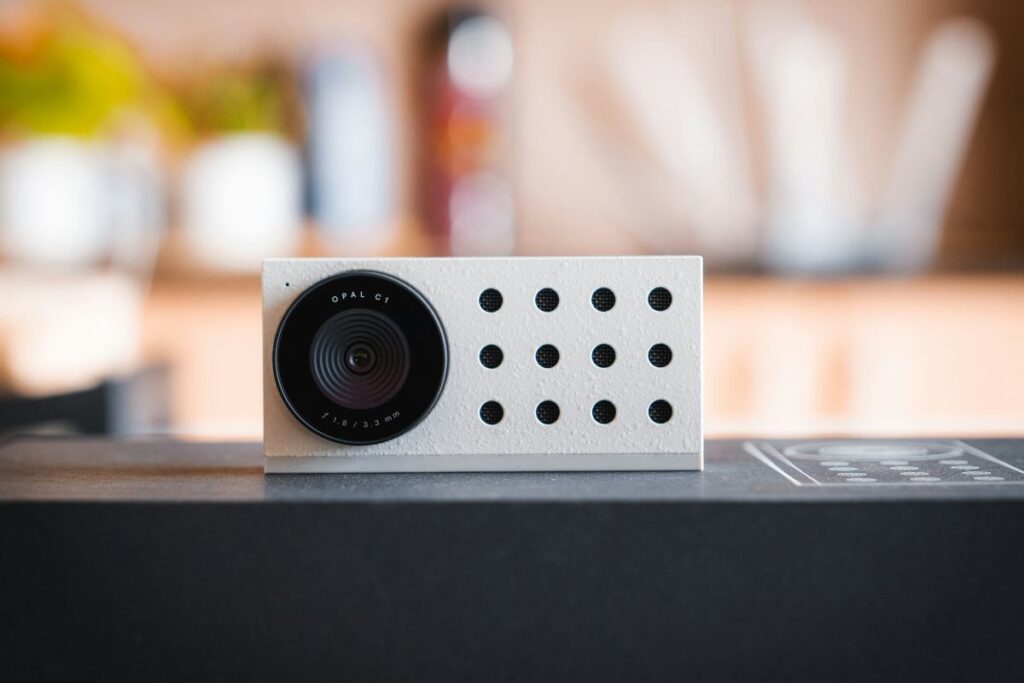
The most ambitious item on this list and the one with the highest novelty risk — included because the budget options have improved enough to deliver genuine utility rather than just impressive specifications on a product page.
A palm sized mini projector at the $45 to $50 price point projects a usable image up to 60 inches on any white wall or ceiling — sufficient for movie watching, presentations, or casual gaming without a television present.
The limitation at this price is brightness — budget projectors are best used in low light conditions rather than competing with ambient daylight. Within that constraint they deliver considerably more than their price suggests.
Why it earns its place: Delivers a large screen experience without a large screen taking up permanent space
10. Webcam Privacy Cover — $6 to $10

The simplest and most overlooked item on this list.
A thin sliding cover that attaches over the laptop webcam costs under $10 and provides complete physical privacy when the camera is not in use. No software, no settings, no trusting that an application has actually closed the camera — a physical cover that is either open or closed.
For anyone who works with sensitive information, conducts confidential video calls, or simply values the certainty of physical privacy over software assurances this is the most straightforward solution available.
Why it earns its place: Physical privacy solution that requires no ongoing management.
What These Ten Have in Common
None of them cost more than $50. None of them require a subscription. None of them need a hub, a bridge, or a separate app ecosystem to function.
They work independently, do their specific job reliably, and earn their place without demanding ongoing attention or maintenance.
That is the standard every budget tech purchase should be held to — and the reason this list is ten items rather than thirty.
The Budget Tech Buying Rule
Before any budget tech purchase ask one question:
Does this solve a problem I actually have every day or does it solve a problem I have occasionally that I have been managing perfectly well without a tech solution?
Daily problems justify purchases even at budget price points. Occasional problems rarely do — regardless of how low the price.
These ten solve daily problems. That is why they earned their place.
Looking for higher ticket smart home upgrades? Read our smart home starter kit guide or our complete desk accessories guide for the bigger investments worth making.