The 5 Smart Home Devices I Actually Kept (And 3 I Returned)
This post contains affiliate links. If you purchase through them we may earn a small commission at no extra cost to you. Read our full disclosure here.
Smart home devices worth buying are harder to identify than most review content suggests — this post covers five that earned a permanent place and three that went straight back.
Most smart home reviews read the same way. Every product is described as a game changer. Every setup is seamless. Every purchase is worth making. The result is a genre of content that is functionally useless for anyone trying to make a genuinely informed decision.
This post is different.
Five devices earned a permanent place. Three did not. The reasons behind both lists are more useful than any star rating.
How These Decisions Were Made
Every device on this list was evaluated against three questions asked after at least 30 days of real use:
| Question | What It Reveals |
|---|---|
| Does it get used every day without thinking about it | Real utility vs novelty |
| Does it work reliably without intervention | Build quality and software stability |
| Would the home feel noticeably worse without it | Genuine value vs nice to have |
Devices that answered yes to all three stayed. Everything else went back. Every smart home device worth buying passed all three questions consistently over 30 days of real use.
The 5 That Earned Their Place
1. Smart Plugs
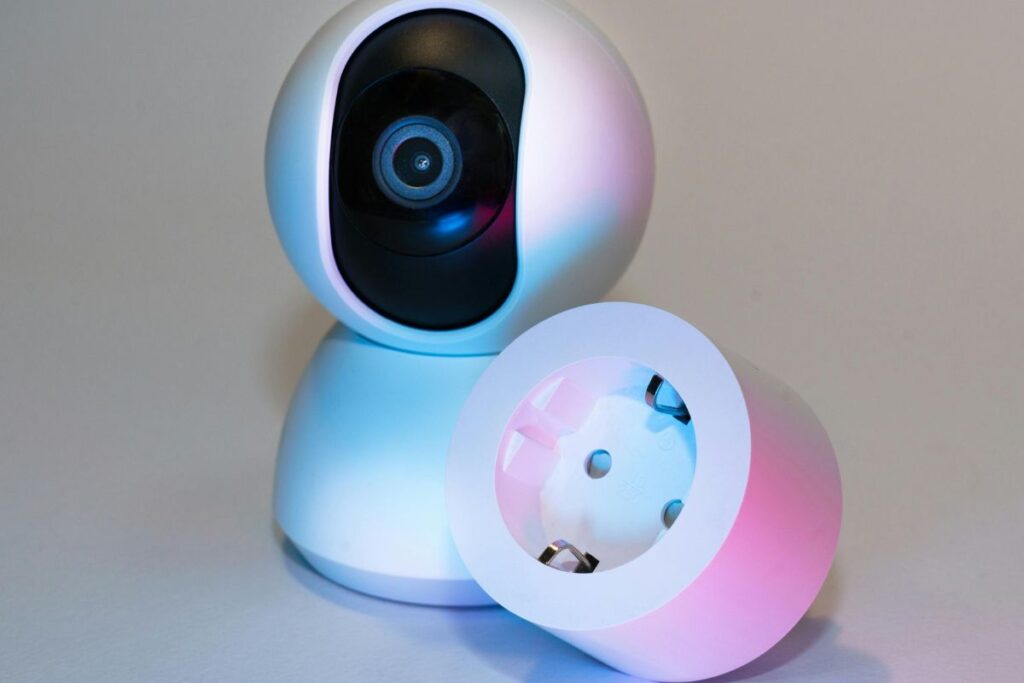
The least glamorous smart home purchase and the one that delivers the most consistent daily value.
Smart plugs get used without thinking about them — which is exactly the standard every smart home device should be held to. The bedroom lamp turns on at 6:30am. The coffee maker starts before getting out of bed. The living room lights turn off automatically at midnight whether or not anyone remembered to switch them.
None of this requires any daily input after the initial setup. It just works, every day, without demanding attention.
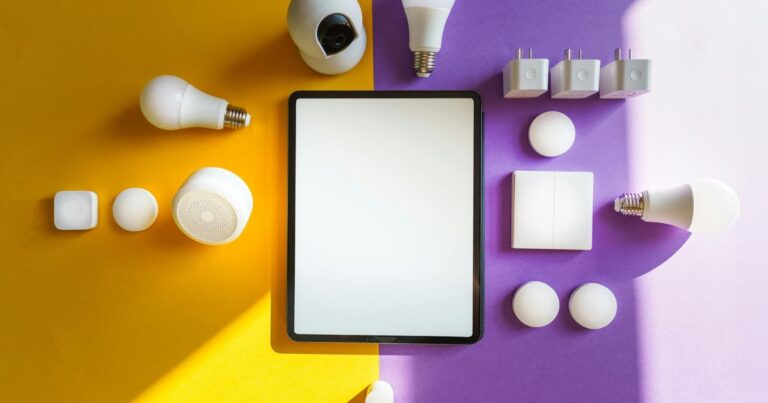
The other reason smart plugs earned their permanent place is versatility. Every other device on the kept list does one specific thing. A smart plug makes any device in the home smarter — lamps, fans, coffee makers, humidifiers — without replacing them. The value compounds every time a new device gets added.
We covered smart plugs in detail in our Amazon tech finds guide.
Why it stayed: Used daily without thinking about it, works reliably, makes everything else smarter
2. Smart LED Bulbs
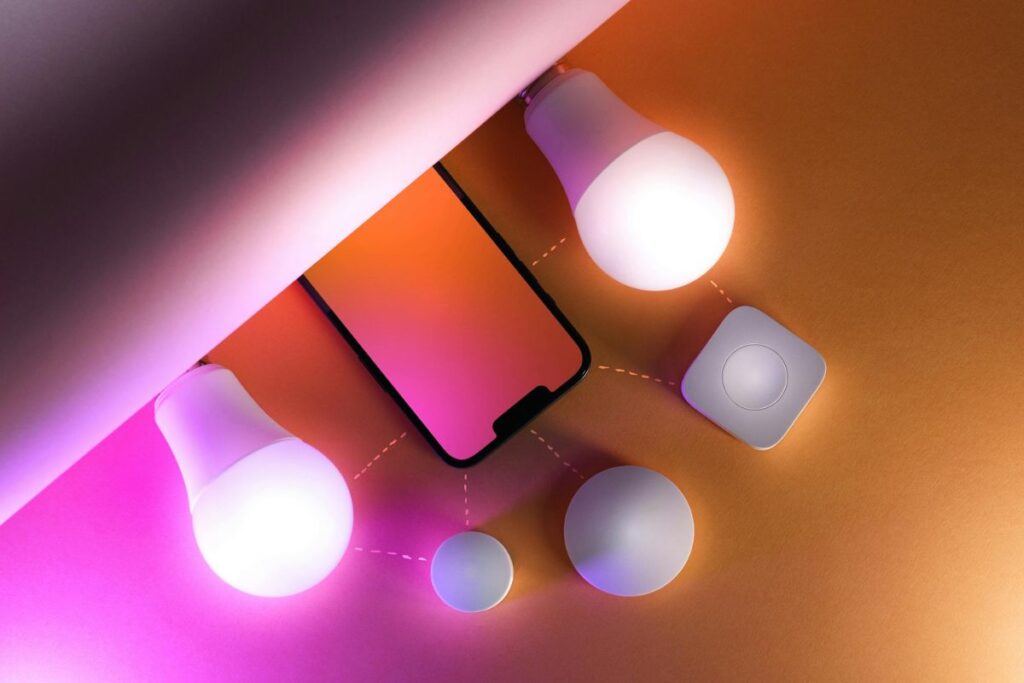
Lighting is the most underrated element of any home and smart bulbs are the device that makes that point most clearly.
The specific thing that earned smart bulbs their permanent place was not the ability to change colours — that feature gets used twice before being left on one warm white setting permanently. It was the scheduling.
Warm light starting at 7pm shifts the room from a functional daytime space to somewhere genuinely pleasant to spend an evening. Cool bright light in the morning helps the brain register that the day has started. The difference in how a room feels at different times of day with lighting that adjusts automatically is not subtle — it is immediately noticeable and then quickly becomes something you cannot imagine living without.
Why it stayed: Automated lighting that adjusts to time of day without any daily input
3. Video Doorbell
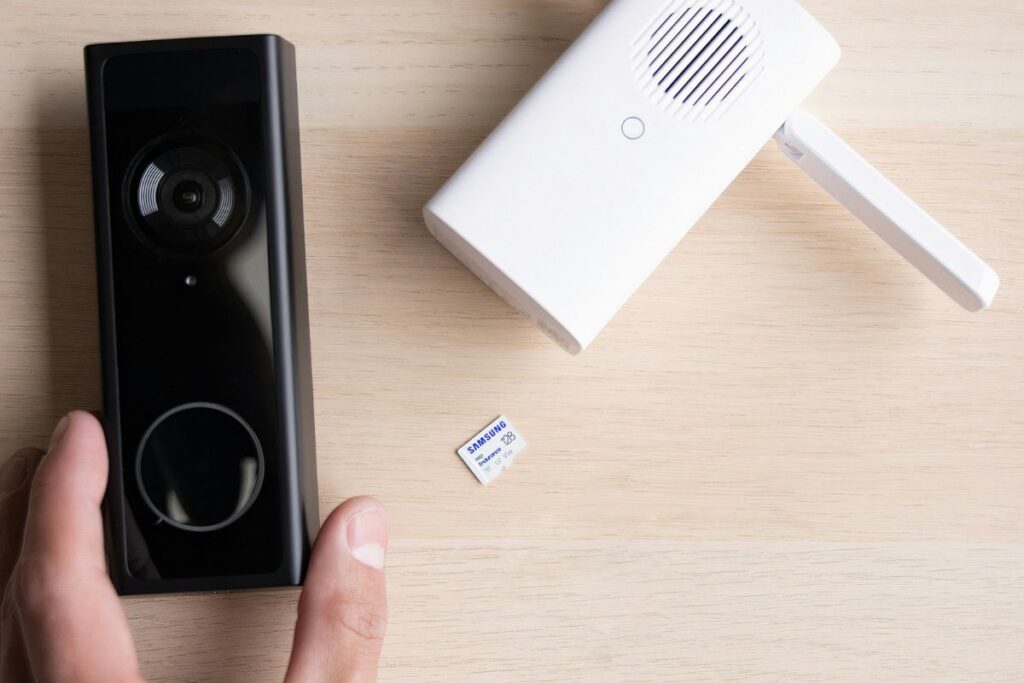
The device that changed daily behaviour most noticeably.
Before a video doorbell the door was answered every time it rang — delivery drivers, salespeople, neighbours, anyone. After a video doorbell the phone shows who is there before any decision is made about whether to answer. Package deliveries get confirmed remotely. Visitors can be spoken to without opening the door. Motion alerts mean knowing when anyone approaches the entrance before they ring.
None of this sounds particularly significant until it becomes part of daily life. After that it sounds indispensable — because it genuinely is.
We covered video doorbells in our smart home security guide.
Why it stayed: Changes daily behaviour immediately, used multiple times every day
4. Smart Speaker
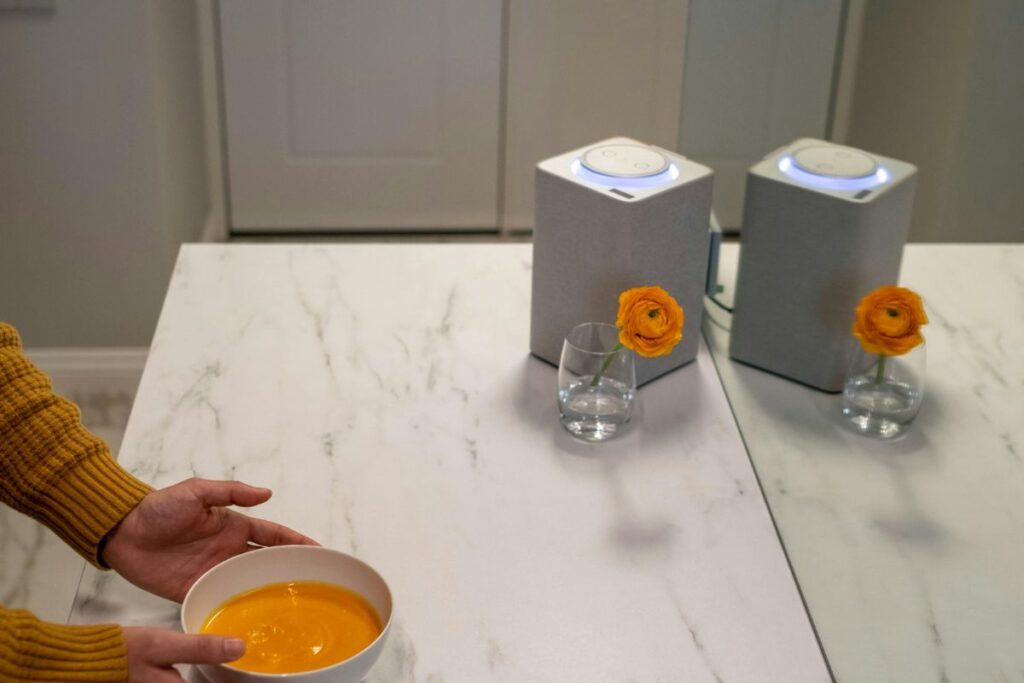
The device most people buy first and the one that earns its place most quietly.
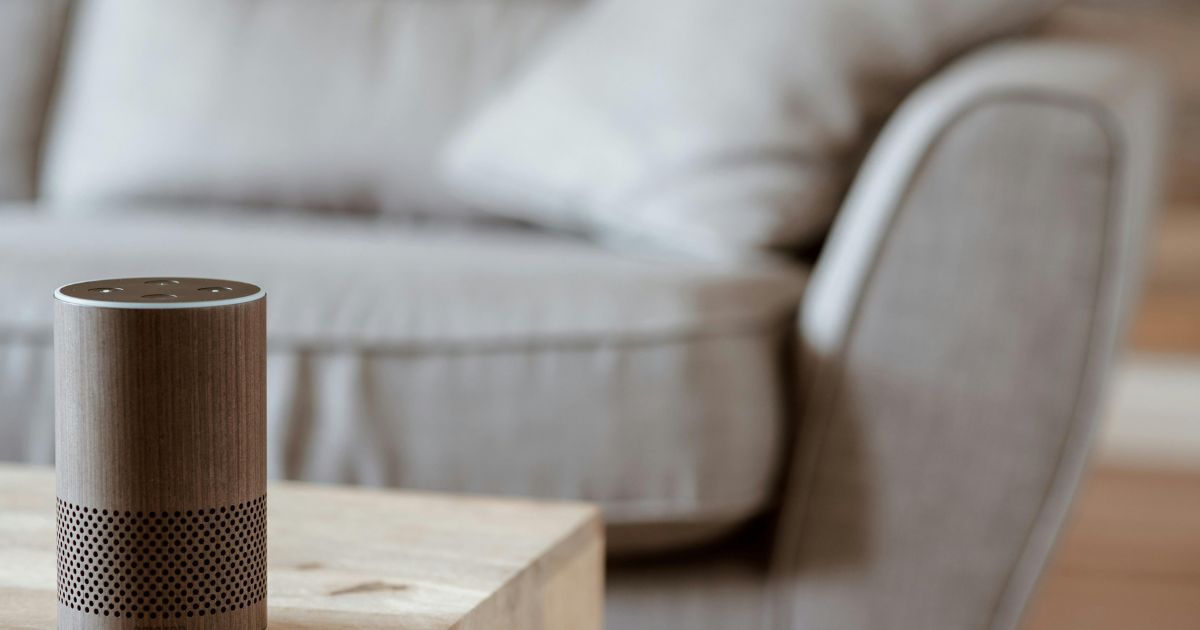
A smart speaker does not do one impressive thing — it does fifty small things consistently. Setting timers while cooking without touching a phone. Adding items to a shopping list by speaking them aloud. Asking about the weather before deciding what to wear. Playing music, adjusting volume, skipping tracks without interrupting what the hands are doing.
None of these individually justify the purchase. Collectively they remove a surprising amount of small friction from daily life — and small friction removed consistently is worth more than one large problem solved occasionally.
The kitchen is where a smart speaker earns its place most clearly. Hands are occupied, a phone is not always nearby, and voice control becomes the most natural interface available.
Why it stayed: Removes small daily friction consistently across dozens of use cases
5. Smart Thermostat
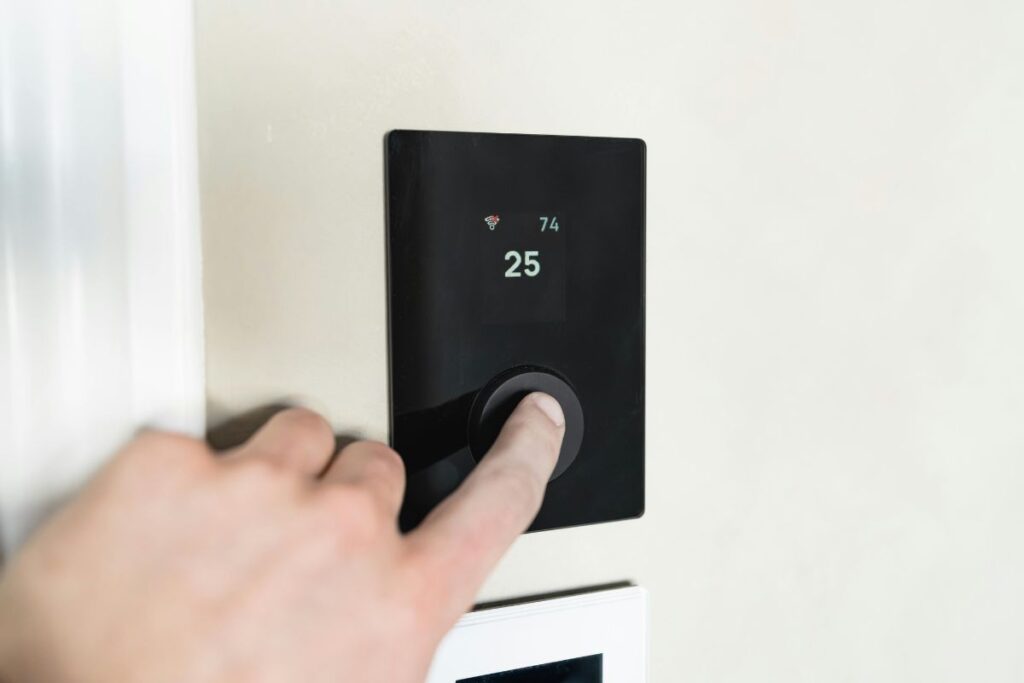
The device with the longest payback period and the clearest financial case.
A smart thermostat learns when the home is occupied and adjusts temperature accordingly — warming before waking, cooling while away, returning to comfortable before arriving home. The result is a home that is always at the right temperature and an energy bill that reflects the fact that heating and cooling an empty home is unnecessary.
The financial saving varies by home size, climate, and existing energy usage — but most smart thermostat manufacturers cite 10-15% reduction in heating and cooling costs as a realistic average. For most homes that represents a payback period of 12-18 months before the device effectively pays for itself.
After that it is pure saving — plus a home that is always comfortable without any manual adjustment.
Why it stayed: Pays for itself within 18 months, home always comfortable, no daily input required
The 3 That Went Back

1. Smart Refrigerator Integration Device
A device that claimed to track refrigerator contents, suggest recipes, and alert when items were running low.
The reality: the camera inside the refrigerator required repositioning every time something was moved, the content recognition missed roughly 40% of items, and the recipe suggestions were based on whatever happened to be visible to the camera rather than actual contents.
The fundamental problem was that it created more work than it saved — checking the app to see what the app thought was in the refrigerator, then checking the refrigerator anyway to confirm. A mental note serves the same purpose with zero setup, zero subscription, and zero refrigerator reorganisation.
Why it went back: Created more friction than it removed, unreliable recognition, unnecessary complexity
2. Smart Sleep Tracker Mat
A pressure sensitive mat placed under the mattress that claimed to track sleep stages, heart rate, and breathing patterns — then provide recommendations for better sleep.
The sleep stage data was interesting for approximately one week before the novelty wore off. The recommendations were generic — sleep at consistent times, avoid screens before bed, keep the room cool — information available from any basic sleep article without a $150 mat required to deliver it.
The breathing pattern alerts caused more sleep disruption than the problems they were detecting. Being woken by an alert about irregular breathing is counterproductive when the irregular breathing was caused by sleeping on one side.
Why it went back: Data interesting but not actionable, recommendations generic, alerts disruptive
3. Smart Water Bottle
A bottle with a sensor that tracked daily water intake, synced with a health app, and sent reminders to drink more water via the companion app.
The premise was reasonable. The execution created a situation where drinking water required charging a water bottle, syncing an app, and occasionally receiving notifications while trying to focus on other things.
The low tech alternative — a large bottle filled once in the morning and finished before bed — achieved the same outcome with no charging, no app, no notifications, and no additional cognitive load.
Why it went back: Low tech alternative achieves identical outcome with zero friction
What the Kept List Has in Common
Looking at the five smart home devices worth buying that stayed a clear pattern emerges.
| Characteristic | Why It Matters |
|---|---|
| Works without daily input | True automation requires no management |
| Solves a real recurring problem | Not a novelty that wears off |
| Low friction to use | If it requires effort it will not get used |
| Financially justifiable | Either saves money or saves significant time |
| Gets used without thinking | The best technology disappears into daily life |
Every smart home device worth buying passes all five of these tests. Most do not.
What the Returned List Has in Common
| Characteristic | Why It Matters |
|---|---|
| Created new friction to remove old friction | Net result is more work not less |
| Data interesting but not actionable | Information without application has no value |
| Low tech alternative exists | If a notepad or a habit achieves the same outcome the device is unnecessary |
| Required ongoing maintenance | Smart home devices should run themselves |
The Question Worth Asking Before Every Smart Home Purchase
Does this remove friction from something I do every day — or does it add a layer of technology to something that worked fine without it?
If the honest answer is the second one the device does not belong in a minimal home regardless of how impressive the product page makes it sound.
The five that stayed all answered the first. The three that went back all answered the second — it just took 30 days of real use to see it clearly.
Building your smart home from scratch? Start with our smart home starter kit guide for the foundation worth building on, or read our smart home security guide for the safety layer worth adding next.