Best Smart Home Starter Kit Under $200 (Tested and Curated)
This post contains affiliate links. If you purchase through them we may earn a small commission at no extra cost to you. Read our full disclosure here.
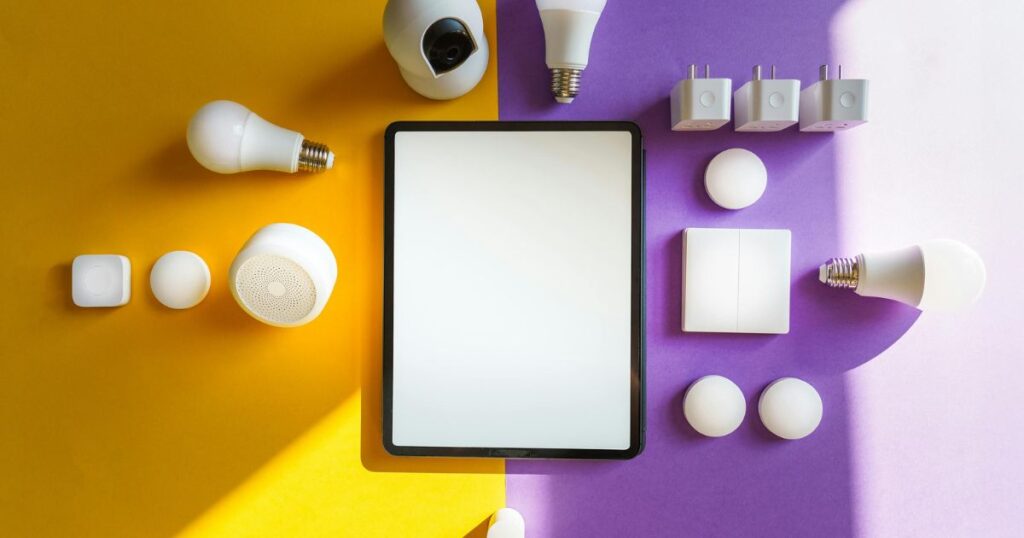
Smart home technology has quietly crossed a threshold. Finding the best smart home starter kit under 200 does not have to be complicated.
A few years ago building a connected home meant expensive hardware, complicated setup, and a fairly high tolerance for things not working the way they were supposed to. It was a hobby for enthusiasts more than a practical choice for most people.
That has changed. The best smart home starter kits under $200 today are genuinely capable, surprisingly easy to set up, and compatible with the phones and voice assistants most people already use. The barrier to entry has dropped to the point where a single afternoon is enough to have a meaningfully smarter home.
The challenge now is not affordability — it is knowing which starter kit is actually worth buying and which ones look good on a product page but disappoint in real use.
This post covers exactly that. The best smart home starter kit options under $200 tested, compared, and ranked so you can make one confident purchase instead of several regrettable ones.
What Makes a Good Smart Home Starter Kit
Before getting into specific products it is worth being clear about what separates a genuinely good starter kit from one that just has impressive packaging.
Compatibility
The most important factor by a significant margin. A smart home device that does not work with your existing phone, voice assistant, or other devices creates frustration rather than convenience. Look for kits that support:
- Amazon Alexa — widest device compatibility overall
- Google Home — excellent for Android users
- Apple HomeKit — best for iPhone users who value privacy
- Matter protocol — the new universal standard that works across all platforms
A kit that supports Matter is the safest long term investment because it will work regardless of which ecosystem you prefer or move to in the future.
Ease of Setup
A starter kit should take an afternoon to set up — not a weekend. The best ones use dedicated apps that walk you through each device step by step with clear instructions that do not assume any prior technical knowledge.
Expandability
Your first smart home purchase should be the beginning of something rather than a standalone experiment. The best starter kits use devices from ecosystems with broad product ranges so you can add more devices naturally as your confidence grows.
Value Per Device
Under $200 is the budget. How many genuinely useful devices that budget buys — and how capable those devices are — determines whether a kit represents good value or a compromise.
The Best Smart Home Starter Kits Under $200
1. Amazon Echo and Smart Plug Bundle
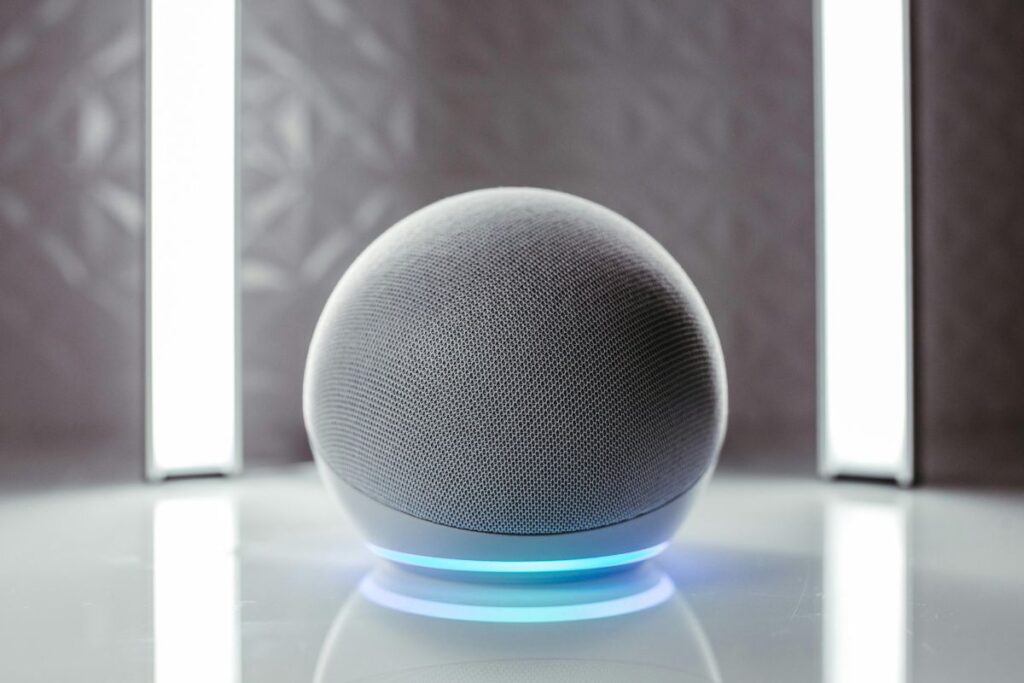
The most accessible entry point into smart home technology available today.
The Echo Dot serves as both a voice assistant and a smart home hub, handling device control through simple voice commands or the Alexa app. Paired with a handful of Amazon smart plugs, this bundle turns ordinary lamps, fans, and appliances into voice-controlled devices without replacing them entirely.
The appeal of this combination is its simplicity. There is no hub to configure separately, no complicated network setup, and the learning curve is genuinely shallow. Most people have their first device responding to voice commands within twenty minutes of opening the box.
What works well:
- Alexa’s device compatibility is unmatched — more third party devices work with Alexa than any other platform
- Smart plugs are the most versatile smart home device available — anything that plugs into a wall becomes smart
- Echo Dot sound quality has improved significantly and doubles as a capable speaker
What to know before buying:
- Heavily tied to the Amazon ecosystem — works best if you are already an Amazon household
- Smart plugs add bulk to wall sockets — worth checking clearance before buying
- Voice recognition occasionally mishears commands in noisy rooms
Best for: First time smart home buyers who want the simplest possible setup and broad device compatibility
Approximate bundle cost: $65 — $95
2. Google Nest Mini and Smart Bulb Starter Pack
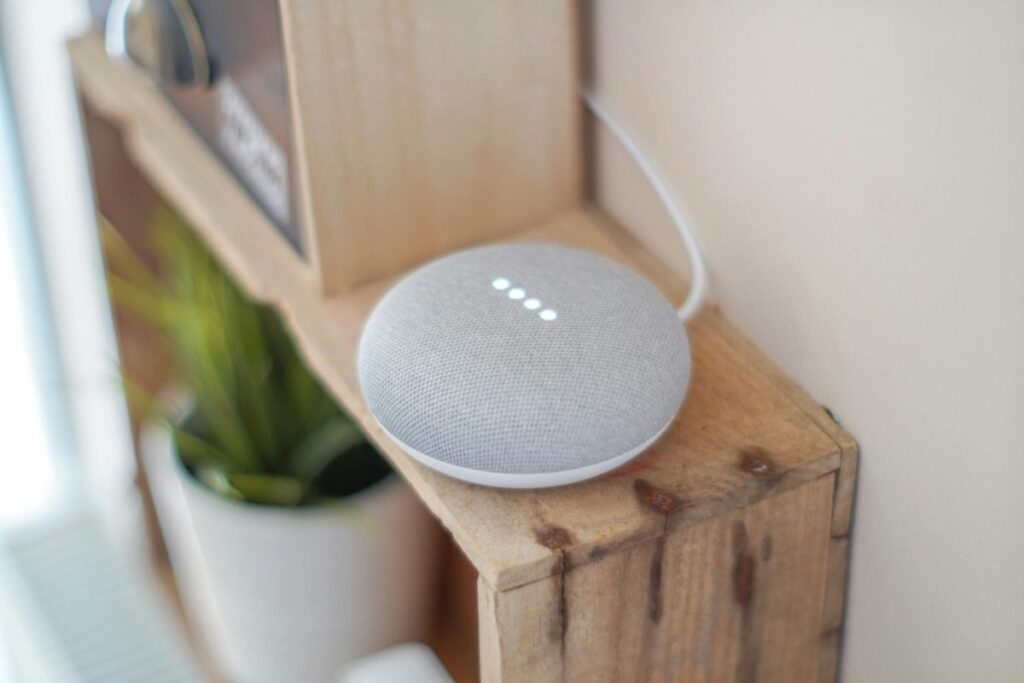
The strongest choice for Android users and anyone already embedded in Google’s ecosystem.
Google’s approach to smart home centres on the Nest Mini — a compact voice assistant that handles device control, answers questions, and integrates deeply with Google Calendar, Gmail, and other Google services most Android users rely on daily. Paired with smart bulbs the combination covers the two most impactful areas of a smart home — voice control and smart lighting — for well under $200.
Google’s voice recognition is widely considered the most accurate available, handling natural conversational commands better than alternatives. Asking it to turn off the lights in a specific room while setting a timer for dinner while adding something to your shopping list works reliably in a way that still feels slightly surprising every time.
What works well:
- Best voice recognition accuracy of any platform
- Deep Google services integration — calendar, reminders, shopping lists all work naturally
- Google Home app is clean, intuitive, and well designed
- Strong Matter support for future device additions
What to know before buying:
- Smaller device library than Alexa — some third party devices do not support Google Home
- Less useful if you use Apple devices as your primary phone
- Smart bulb colors vary significantly between brands — worth checking reviews before buying specific bulbs
Best for: Android users and Google ecosystem households wanting seamless voice control and smart lighting
Approximate bundle cost: $70 — $110
3. Apple HomePod Mini and HomeKit Starter Bundle
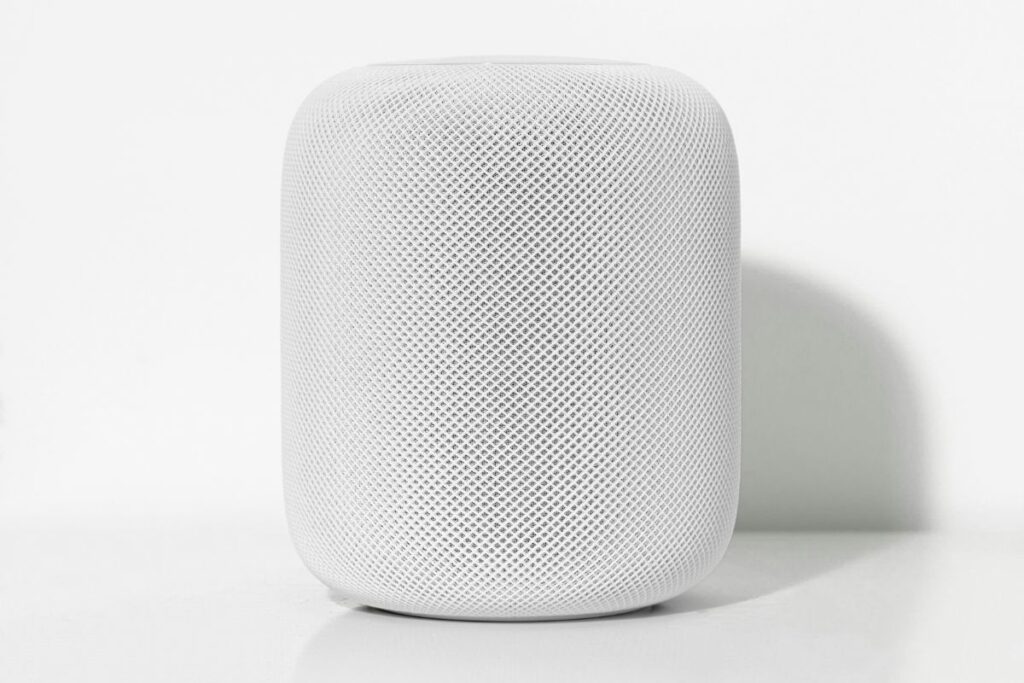
The premium choice for iPhone users who prioritise privacy and a seamless Apple experience.
Apple’s approach to smart home is different from Amazon and Google in one important way — privacy. HomeKit processes as much as possible on device rather than in the cloud, which means less data leaving your home and stronger security for your connected devices. For iPhone users who think carefully about privacy this matters considerably.
The HomePod Mini doubles as a genuinely excellent speaker — better audio quality than either the Echo Dot or Nest Mini — and serves as a home hub that allows remote access to your HomeKit devices even when you are away from home.
The trade-off is a smaller device ecosystem. Fewer third party devices support HomeKit compared to Alexa, which means checking compatibility before purchasing any smart device you plan to add later.
What works well:
- Best privacy and security of any smart home platform
- HomePod Mini audio quality is noticeably better than competitors
- Seamless integration with iPhone, iPad, Apple Watch, and Mac
- Home app on iPhone is clean and reliable
- Supports Matter — good future compatibility
What to know before buying:
- Most expensive entry point of the three options
- Smaller third party device library than Alexa
- Little value if you do not use Apple devices
Best for: iPhone users who value privacy, audio quality, and a seamless Apple ecosystem experience
Approximate bundle cost: $100 — $160
4. SmartThings Hub Starter Kit
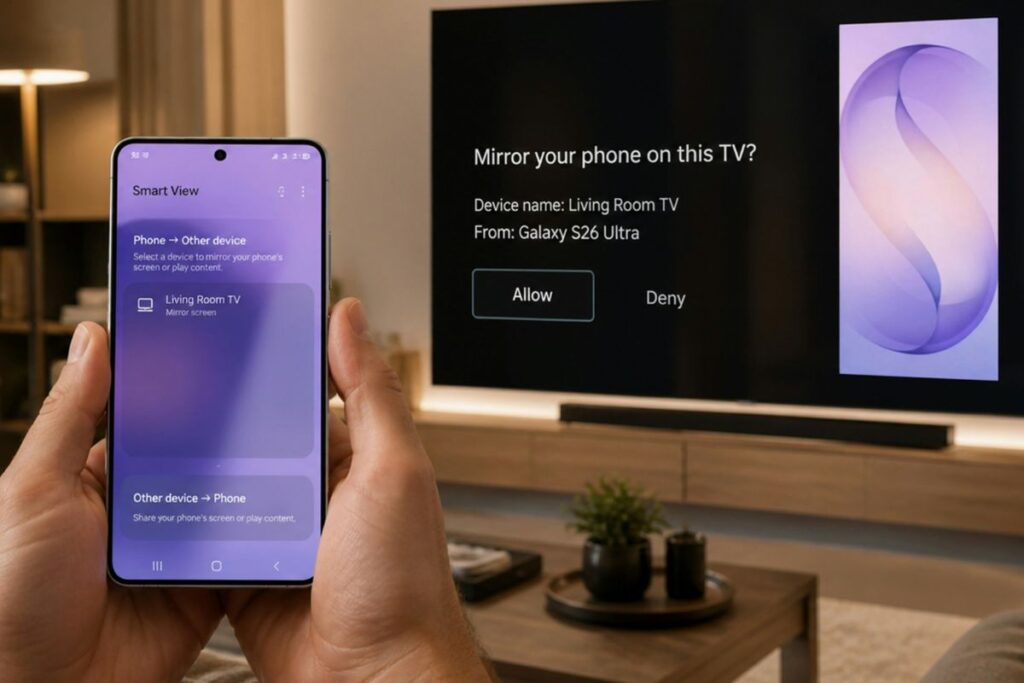
The most powerful and flexible option for anyone serious about building a comprehensive smart home.
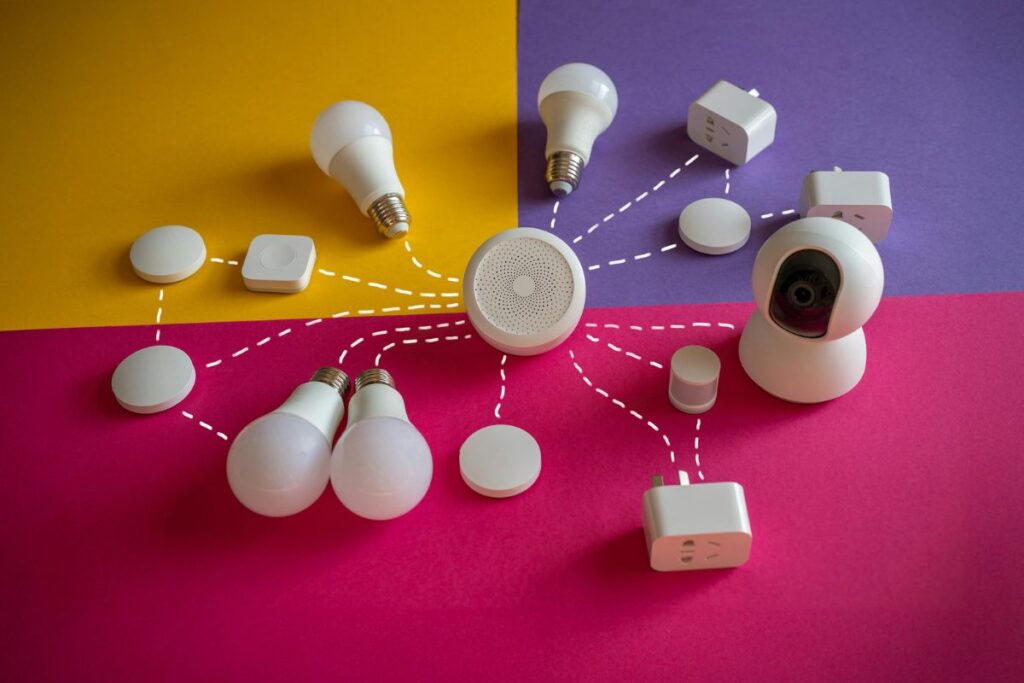
Samsung SmartThings takes a different approach from the others — instead of centering everything around a voice assistant it provides a dedicated hub that connects and controls a wide range of devices across multiple protocols including Zigbee, Z-Wave, and Wi-Fi. This means broader device compatibility than any single ecosystem and the ability to create sophisticated automations that go beyond simple voice commands.
The SmartThings app allows genuinely complex automation — lights that adjust based on time of day and whether anyone is home, sensors that trigger multiple devices simultaneously, routines that run on schedules or conditions rather than just voice commands.
The trade-off is complexity. SmartThings has a steeper learning curve than the other options here and rewards the time invested in understanding it with significantly more capability.
What works well:
- Broadest device compatibility of any platform
- Most powerful automation capabilities under $200
- Works with Alexa and Google simultaneously
- Excellent for anyone planning to expand significantly
What to know before buying:
- More complex setup than plug-and-play alternatives
- Requires more time to configure properly
- App can feel overwhelming initially
Best for: Tech enthusiasts who want maximum flexibility and plan to build a comprehensive smart home over time
Approximate bundle cost: $100 — $180
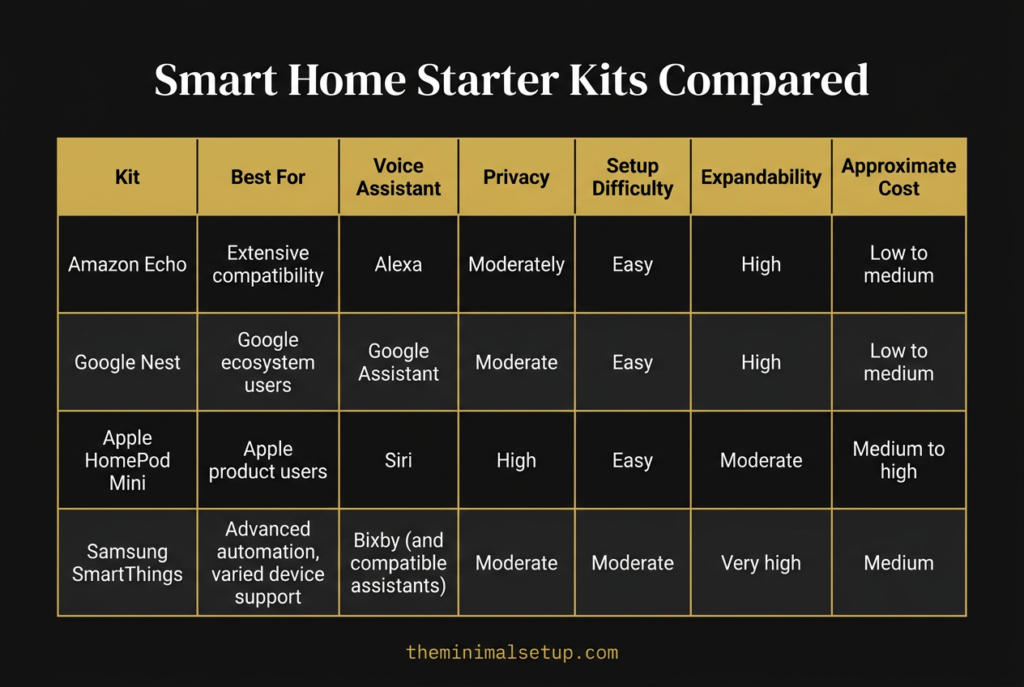
Comparison Table
Buying Guide: What to Look For
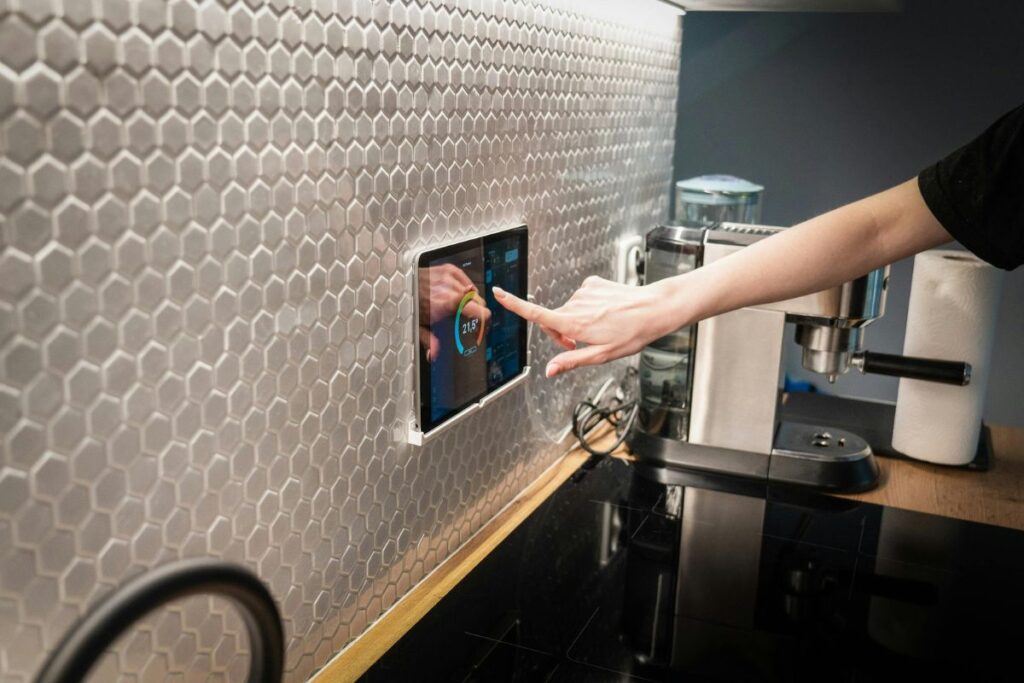
Start With One Room
The most common smart home mistake is trying to do too much at once. Pick one room — most people start with the living room or bedroom — and get that working well before expanding. One room done properly teaches you more than four rooms done badly.
Match Your Ecosystem First
If you use an iPhone daily start with HomeKit. If you use Android start with Google. If you use neither strongly start with Alexa — it has the widest device compatibility and the most forgiving learning curve. Fighting against your existing ecosystem creates unnecessary friction.
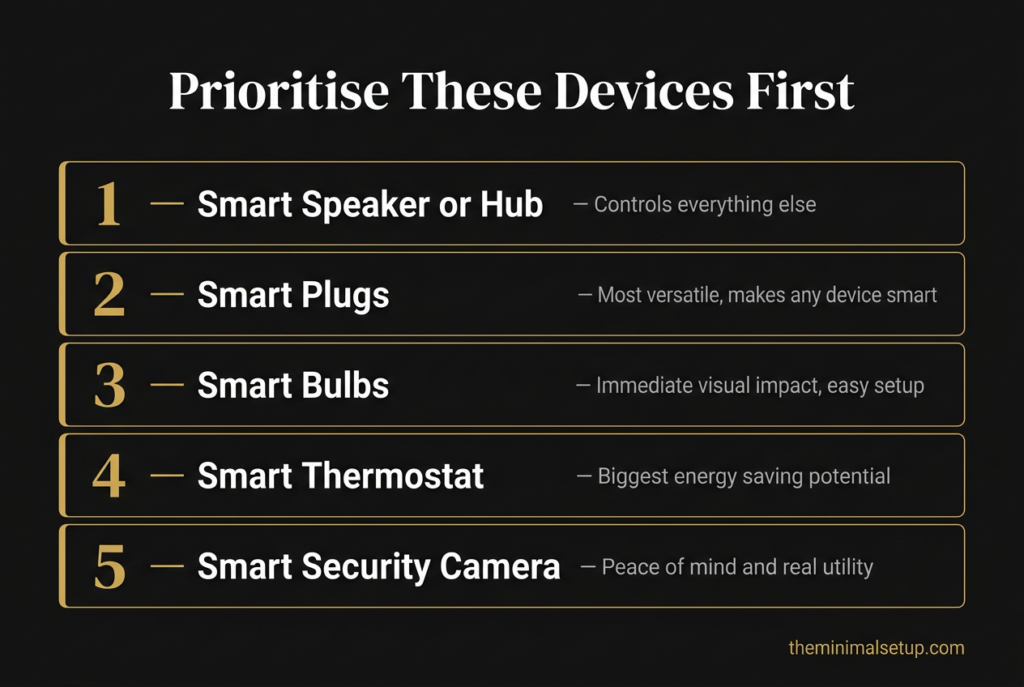
Prioritize These Devices First
Not all smart home devices deliver equal value. In order of impact:
Check Matter Compatibility
Matter is the new universal smart home standard supported by Amazon, Google, Apple, and Samsung simultaneously. Devices with Matter support work across all platforms — buying Matter-compatible devices now means you are never locked into one ecosystem and your devices remain useful even if your preferences change.
Budget for Expansion
Your starter kit is the beginning not the destination. Keep $50 — $100 in reserve after your initial purchase for the first device you want to add once the basics are working. The natural expansion of a smart home is part of what makes it genuinely useful rather than a novelty.
Which One Should You Buy
The honest answer depends entirely on which phone sits in your pocket.
iPhone user — start with the Apple HomePod Mini bundle. The privacy benefits and ecosystem integration are worth the slightly higher price and you will not spend time fighting compatibility issues.
Android user — the Google Nest Mini and smart bulb combination is the natural fit. Google’s voice recognition is the best available and the integration with your existing Google services makes it immediately useful.
No strong ecosystem preference — go with the Amazon Echo and smart plug bundle. Alexa’s device compatibility is unmatched, the setup is genuinely simple, and the smart plugs give you immediate practical utility rather than just a voice assistant sitting on a shelf.
Planning to go deep — SmartThings is worth the extra complexity if you are serious about building a comprehensive connected home rather than just adding a few convenient devices.
Conclusion
The best smart home starter kit under $200 is not a single answer — it is the one that fits how you already use technology and gives you a foundation worth building on.
Start simple. Pick one ecosystem. Get one room working well. Then expand deliberately rather than impulsively.
The best smart home starter kit under 200 is not a single answer — it is the one that fits how you already use technology. The goal is a home that works better with less effort — not a home full of devices that require constant attention. Keep that standard and every purchase you make will earn its place.
Ready to take the next step? Read our guide to the best desk accessories in 2026 for more minimal home and office upgrades worth making.